 Join us on Saturday, September 19 from 12:00 p.m. to 4:00 p.m. for the Normandale Japanese Garden 50th Anniversary Celebration - a free, family‑friendly event honoring Japanese culture and one of Bloomington’s most beloved landmarks.
Guests will enjoy traditional cultural performances, hands‑on activity booths, and delicious Japanese cuisine as we celebrate the garden’s legacy of peace, reflection, and community.
For more information, please visit our Japanese Garden 50th Anniversary page. We hope to see you there!
The Japanese Garden is a one-of-a-kind gem on Normandale’s campus. Exquisite, serene, and picturesque — the Japanese Garden offers visitors a welcome respite from the stresses of everyday life.
Built on land reclaimed from a twenty-acre pond, the garden showcases authentic Japanese features. These include a garden wall and entry gate, a waterfall, two shelters, three islands, three lanterns, four bridges, and a Bentendo — a hexagonal structure common throughout Japan and named for Benten, a goddess of wealth, happiness, wisdom, and music.
More than 300 plants, shrubs, and trees have been carefully selected to grow in Minnesota’s harsh climate. The architect, Takao Watanabe, and gardeners chose Minnesota-hardy plants that can survive extremely cold temperatures.
Visit the Japanese Garden and experience the beauty all around you. In addition to discovering the wonderful plant life and intentional landscaping, you’ll see around 20 colorful koi that swim from lagoon to pool, under bridges and around rocks. You can feed the fish from May through October by purchasing koi food at the entrance of the Garden for 50 cents (quarters only).
Wander through the garden in just a few minutes, or linger longer and take it all in. You will truly feel like you have landed in the heart of Japan when you visit Normandale's Japanese Garden, recently included on the list of the best gardens in the country by Good Plant Care.
Questions, comments or concerns? Email japanesegarden@normandale.edu or call 952-358-8145.

Bloomington Minnesota Travel & Tourism has gathered Google reviews about visitor experiences at the Garden - you can view them and more by visiting the Bloomington Minnesota Travel and Tourism site.
See how it began...
The Normandale Japanese Garden was built by the Bloomington Affiliated Garden Clubs. Plans for the garden began in 1967 when the college campus was still being developed. The garden clubs raised the funds to build the garden while the college donated two acres of land, including a portion of Green Heron Pond.
From the groundbreaking ceremony in 1972 to the dedication ceremony in 1976, many individuals and companies donated money, time, and materials to construct the garden. Initial support came from the Bloomington Affiliated Garden Clubs with support from the Japanese American Veterans of the U.S. Army Military Intelligence Service (MIS) Language School.
Step by step, the swampy area behind Normandale Community College was transformed into a beautiful Japanese Garden. A photographic history tells the complete story below, including the original hand-drawn blueprints by chief architect Takao Watanabe, a professional garden architect from Tokyo, Japan, who was critical to the success of the project. To see a visual history of the creation of the garden, please visit the Japanese Garden history page.
More than 300 plants, shrubs, and trees have been placed in the Normandale Japanese Garden. Because of climate differences, they are not plants that would be used in gardens in Japan. The architect and gardeners chose Minnesota-hardy plants that can survive extremely cold winters.
The Garden does, however, exemplify the restrained use of flowering plants that is traditional in Japan. Variations in tones and textures of green predominate, and woody plant materials are trimmed or pruned to specific aesthetic goals. The paths have been tarred to make the garden more accessible.
Discover the beauty, philosophy, and cultural depth of Japanese gardens in this film by the North American Japanese Garden Association (NAJGA), written, directed, and narrated by Dr. Kendall Brown.
The Japanese Garden is easily accessible on the campus of Normandale Community College, located at 9700 France Avenue South in Bloomington, Minnesota.
The Garden is open Spring, Summer and Fall from sunrise to sunset. There is no cost for admittance, but donations are appreciated. We ask that children under 12 are accompanied by an adult.
To plan your visit and for information on group tours for adults, and fun-filled field trips for elementary-aged students, please see our Visit page. You can also reach out to us directly at 952-358-8145 or email us at njg.committee@gmail.com for more information.
The volunteers who help give tours and provide event support for the Garden are called the Friends of the Japanese Garden. If you are interested in becoming a Friend of the Japanese Garden, please contact us.
njg.committee@gmail.com
952-358-8145
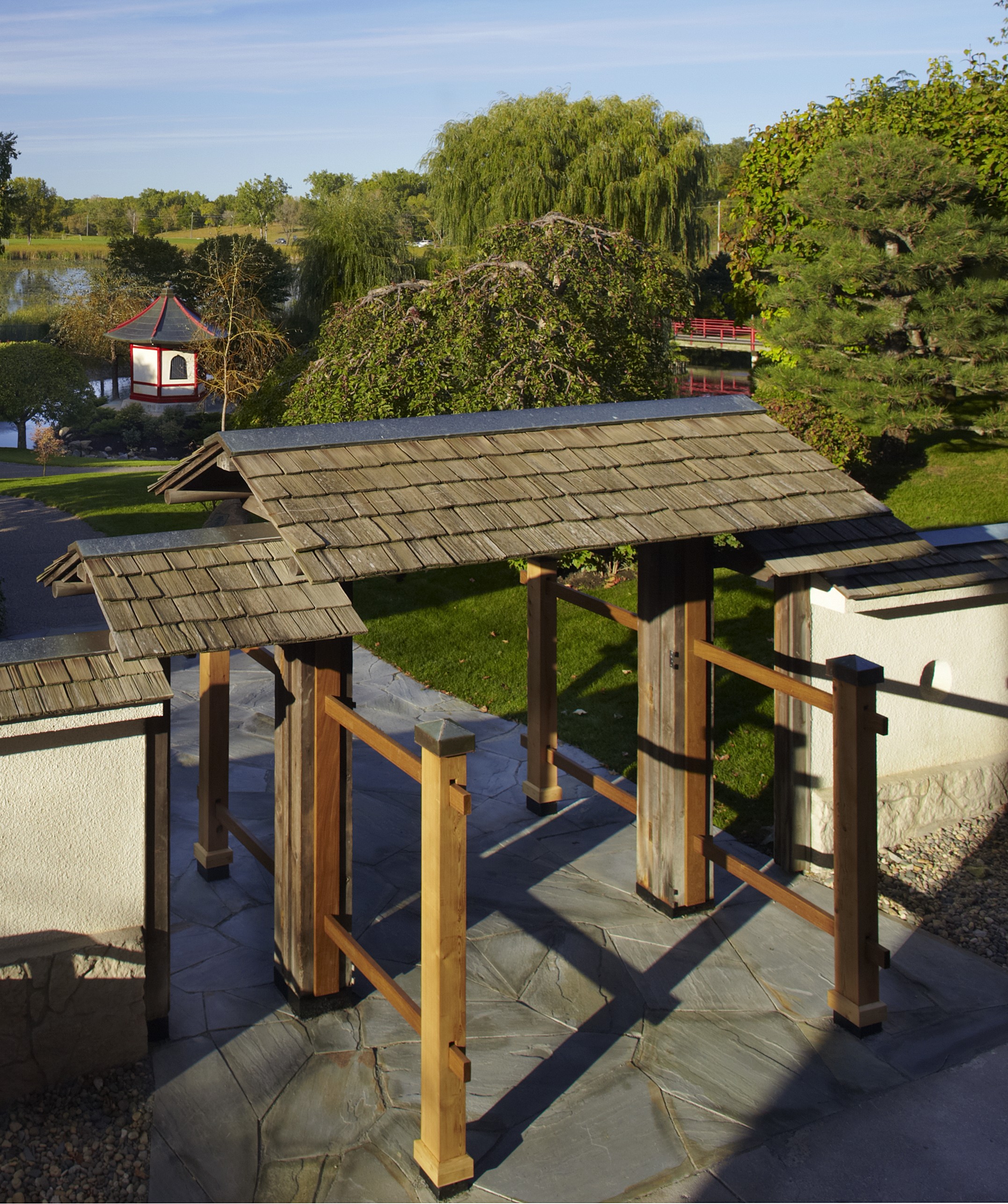
The Entrance Gate simulates the visitor’s anticipation of what lies ahead. A traditional entrance transports you to a calm and relaxed garden.
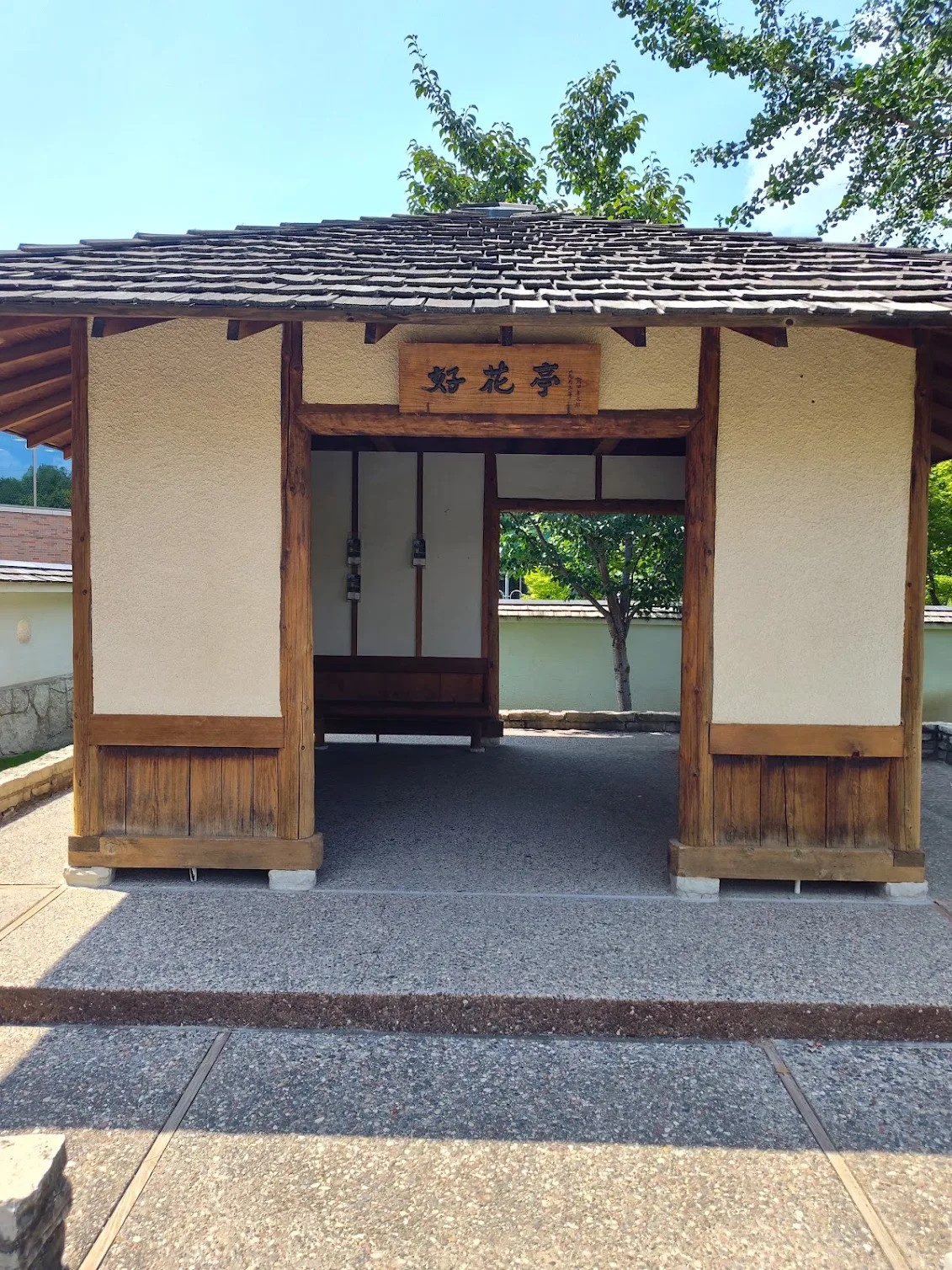
The Square Shelter is just inside the gate. This shelter provides a retreat and an overview of the garden and natural pond beyond.
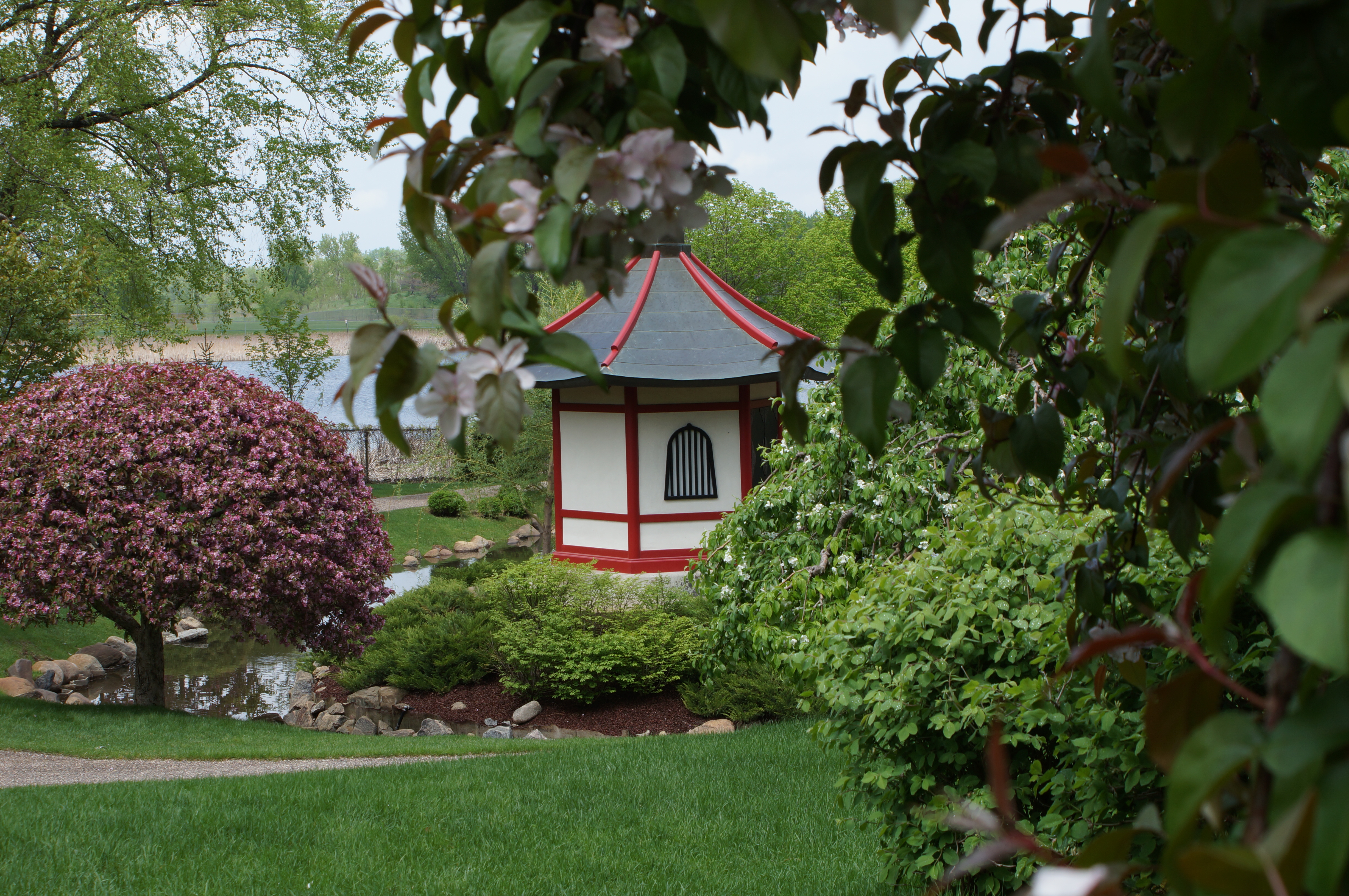
The Bentendo is the hexagon-shaped building on one of the three islands in the garden’s pond. The name, Bentendo, is a combination of two words: Benten is a goddess of fortune; “do” is a suffix used to indicate certain kinds of buildings. Buildings are used only for accent in Japanese gardens and rarely have a function.
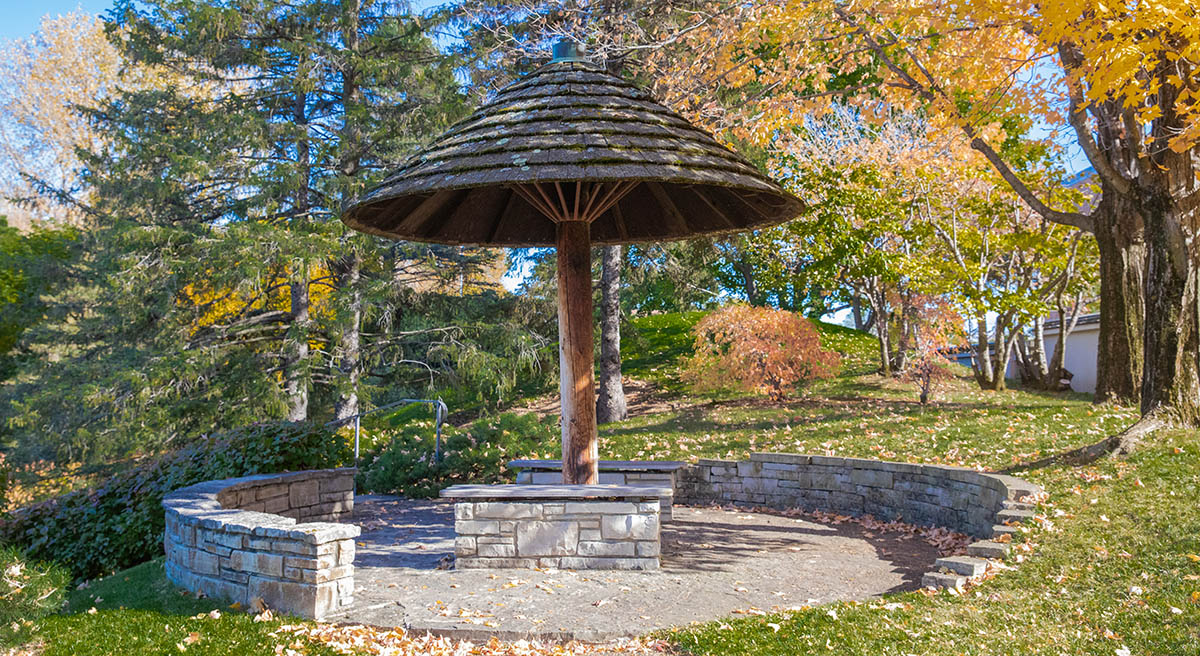
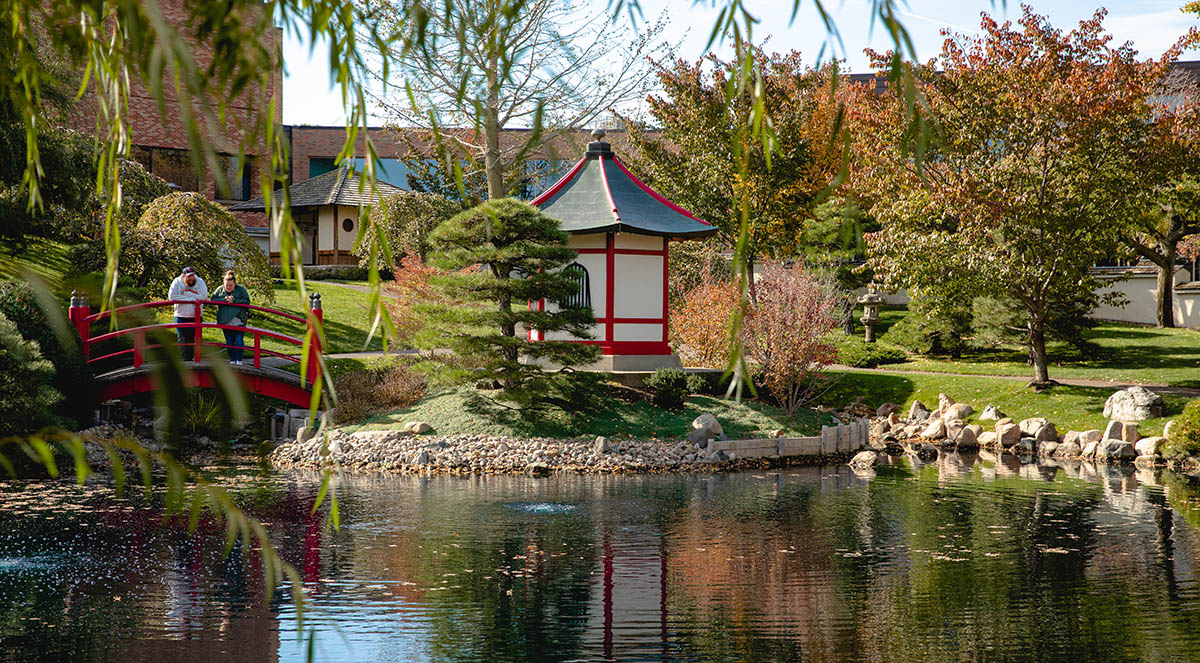
The Round Shelter is the umbrella-shaped resting place where one can view the reflections caught in the garden pond from a higher elevation.
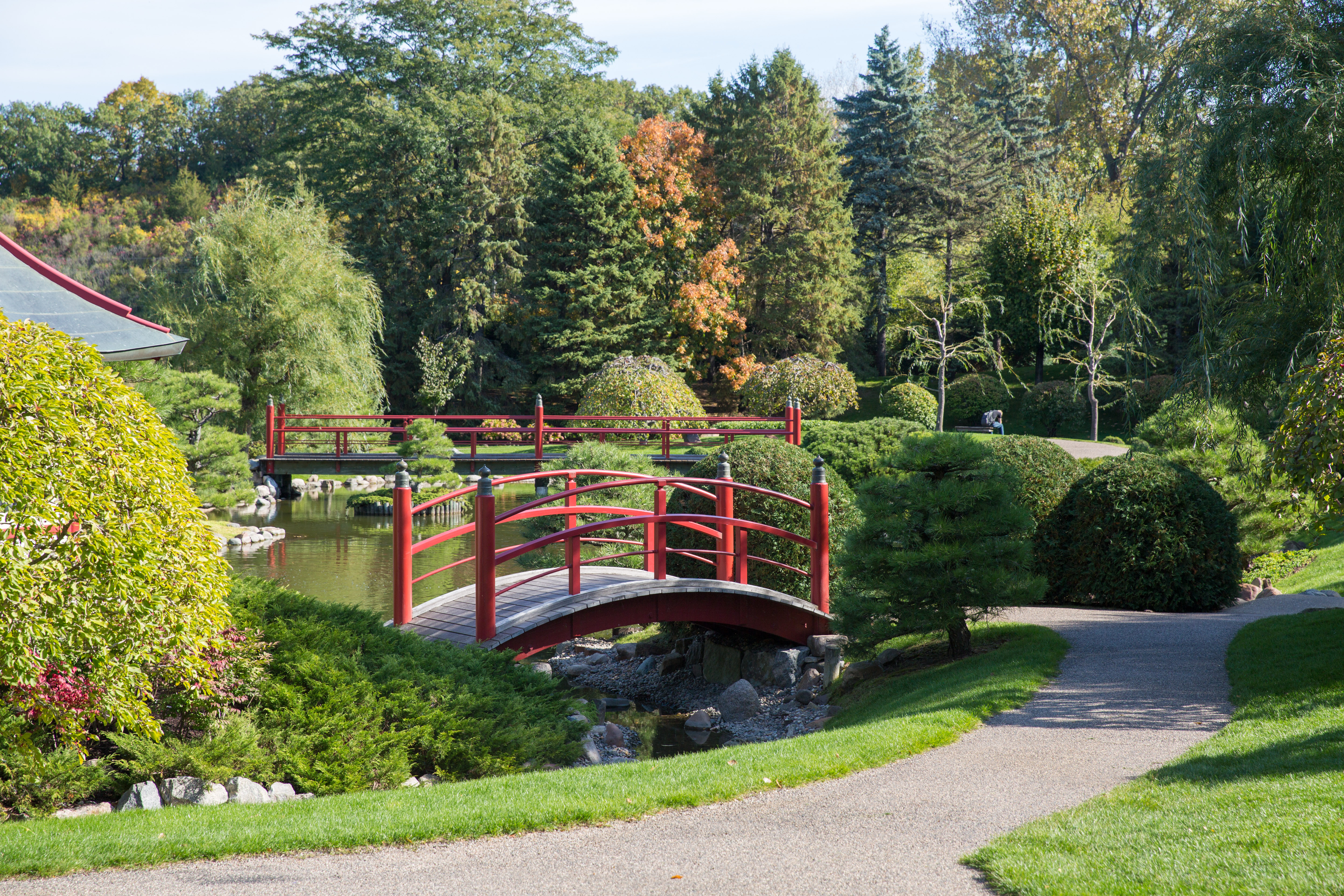
The Taiko–bashi (drum-shaped bridge), with its graceful design, crosses over to the Bentendo. It is one of the favorite locations for taking photographs.
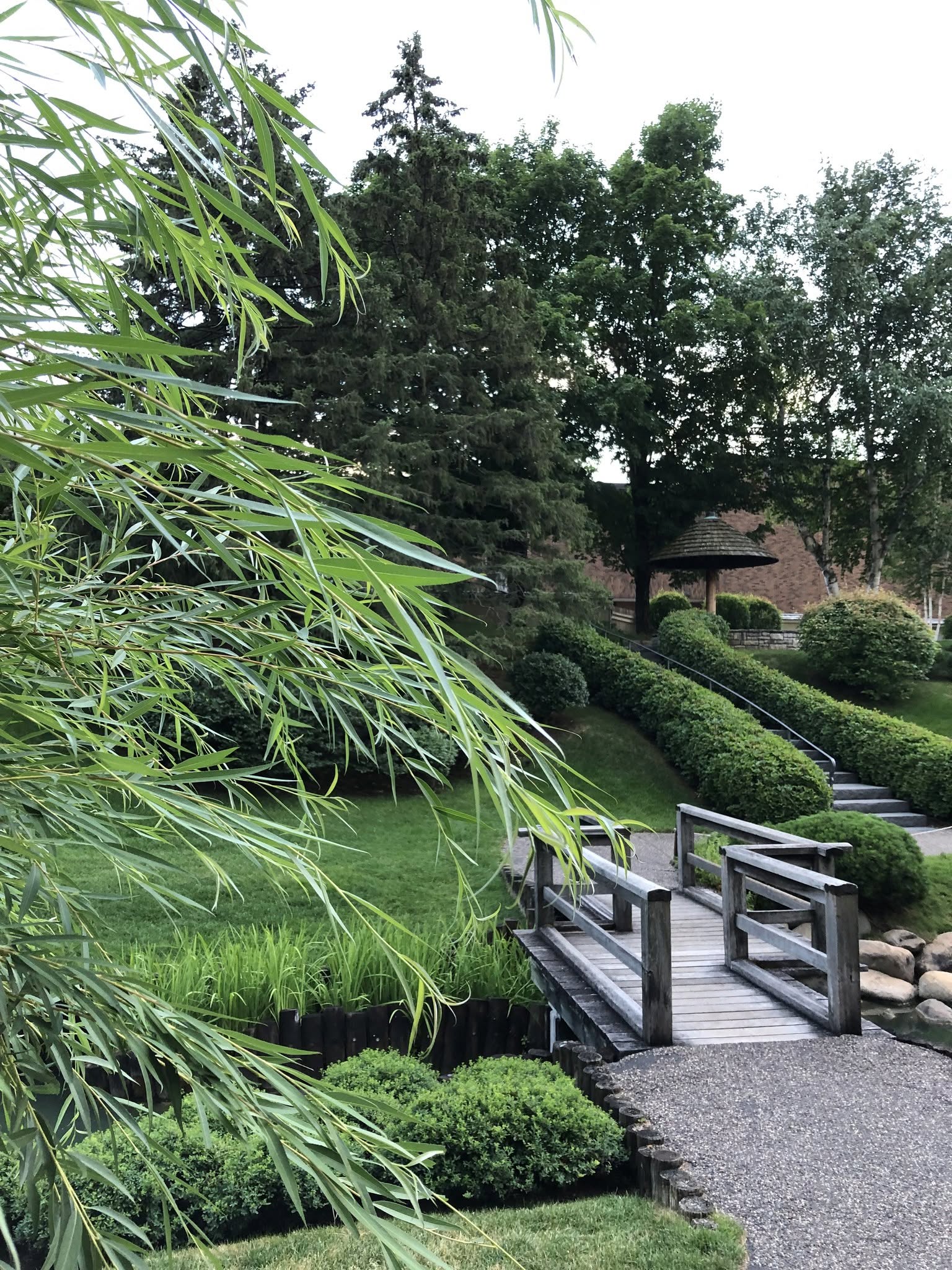
The Zig-Zag Bridge is a pedestrian bridge composed of small segments. The object of the bridge is to focus the visitor’s attention to the mindfulness of place and time.
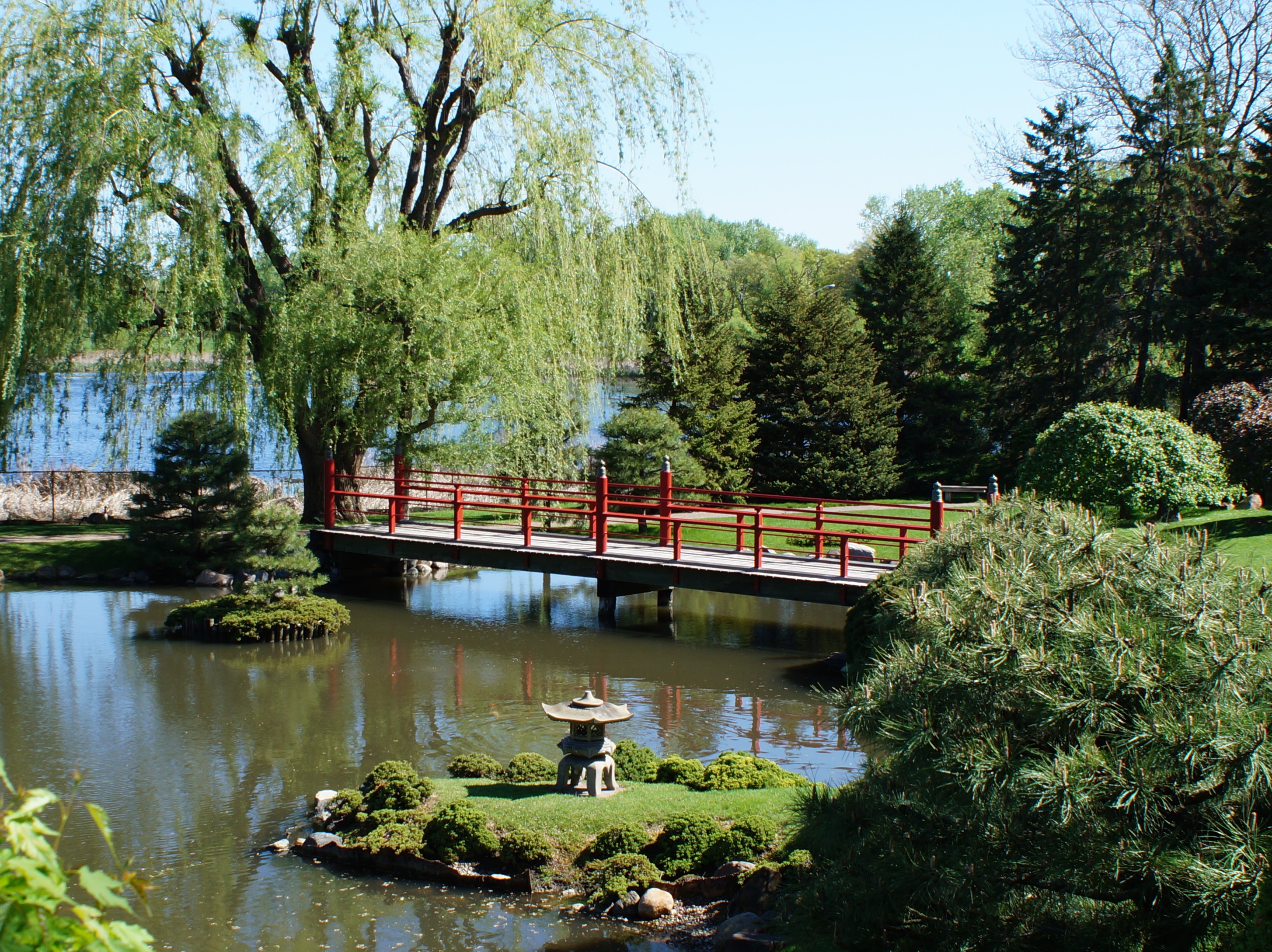
The Flat Bridge has been painted red, one of the few colorful focal points of the garden. The original cedar planking has been replaced by paulope, imported from Brazil.
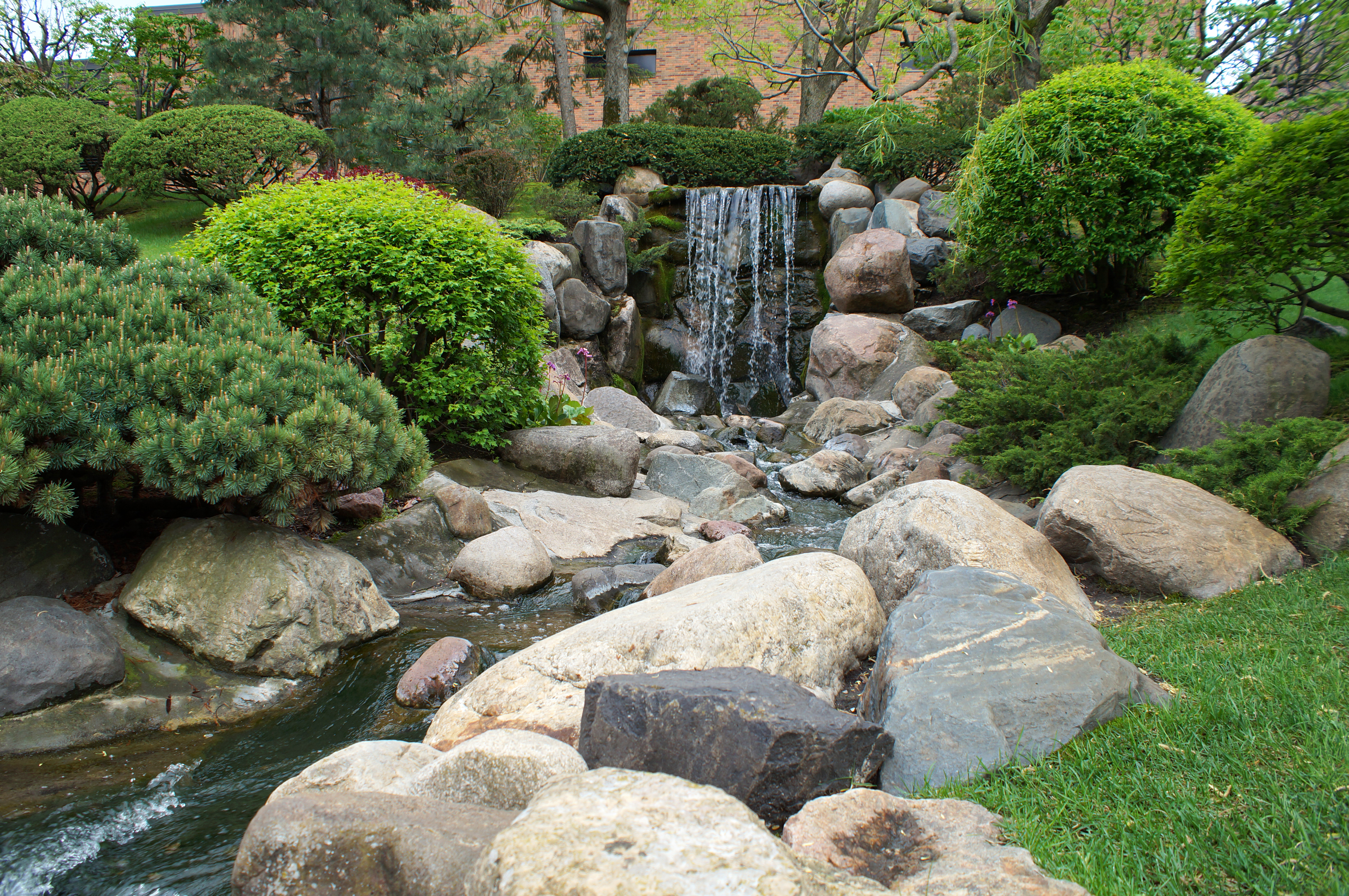
Rocks symbolize quietness, timelessness, and stability. They constitute the skeleton of the garden and give it strength and character.
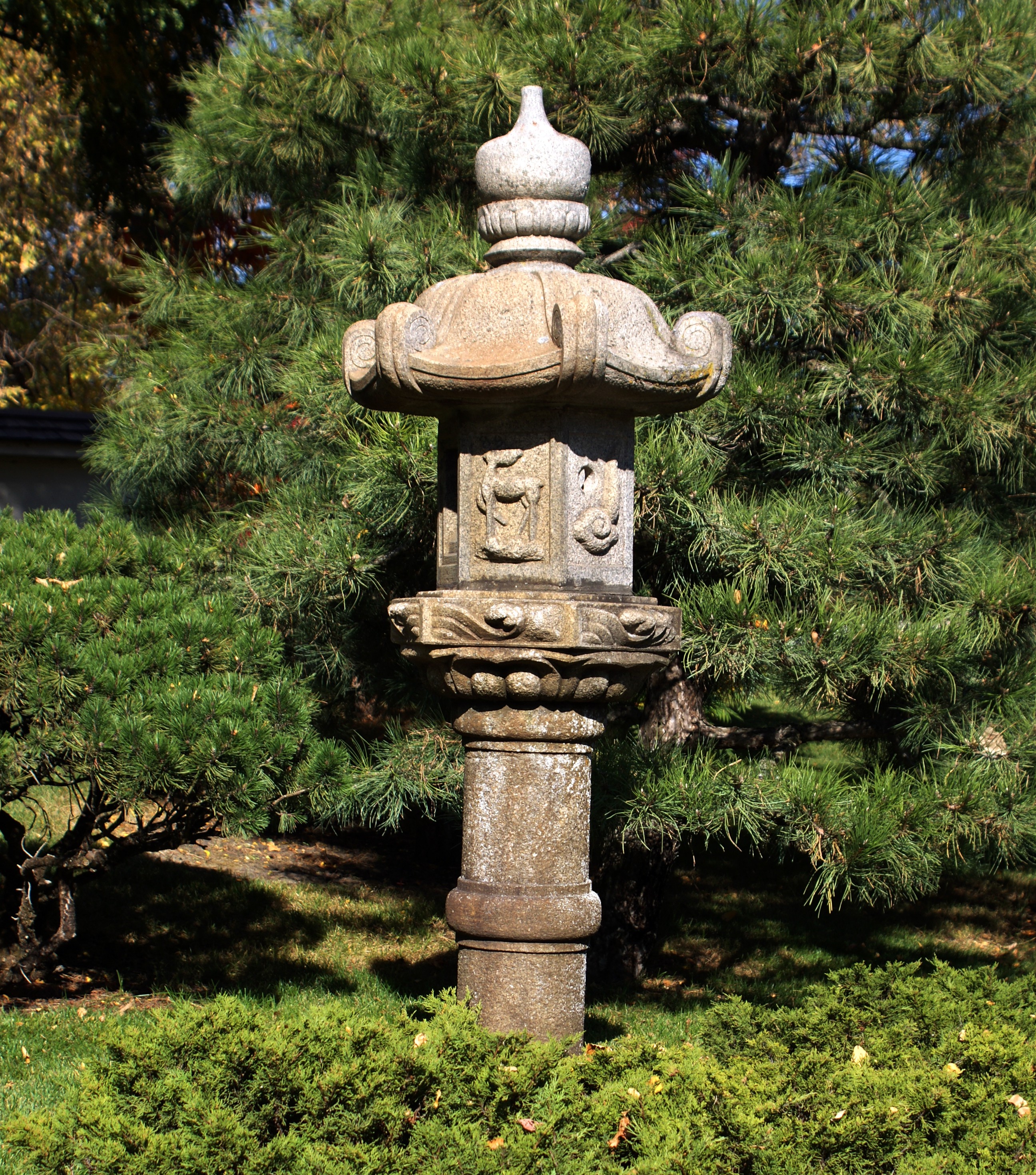
The Kasuga lantern is six feet tall and is based on a design that originated at the famous Kasuga Grand Shrine in the city of Nara. The Kasuga, with its hexagonal shape and hand carvings, is among the most common types of upright lanterns in Japan.
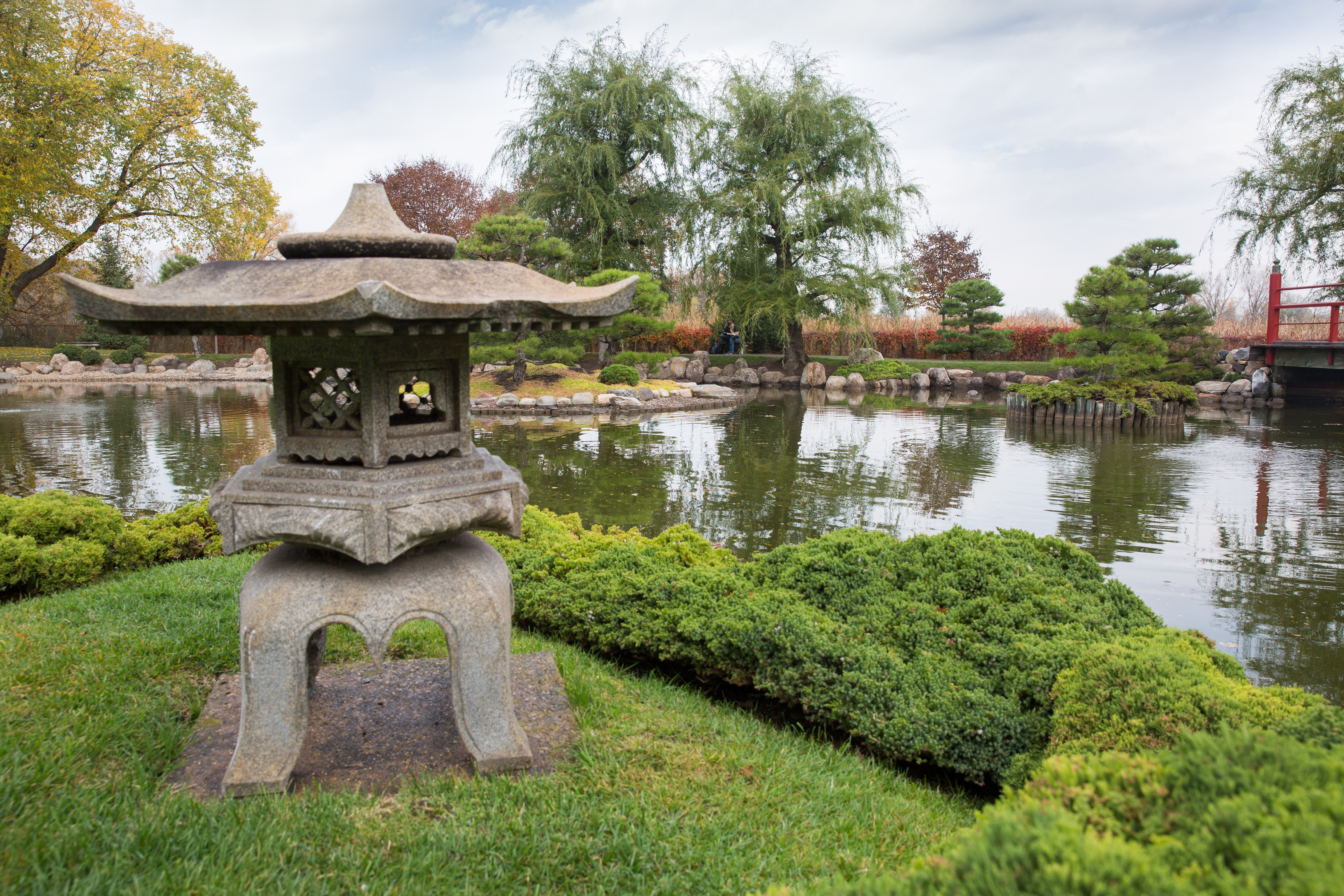
The low lantern next to the pond is called the Yukimi lantern, or “Snow Viewing” lantern. This particular lantern came from Okazaki, Japan, where it won a prize medal at a stone art exhibition in 1973.
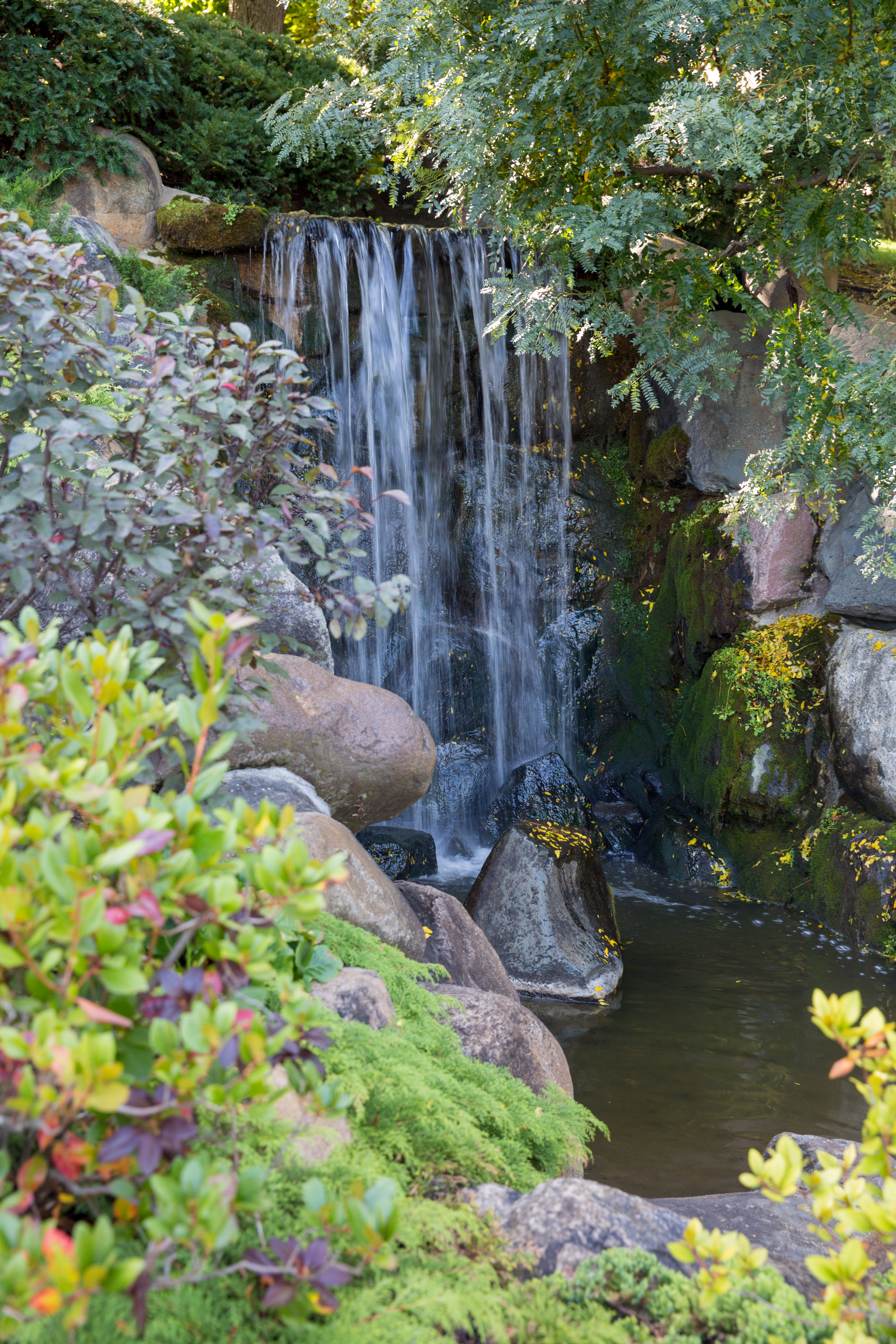
The Waterfall expresses the mountain valley. With its cascading waters emptying into the pond to be recirculated and fall again, it provides a dramatic, yet soothing music to the ear.
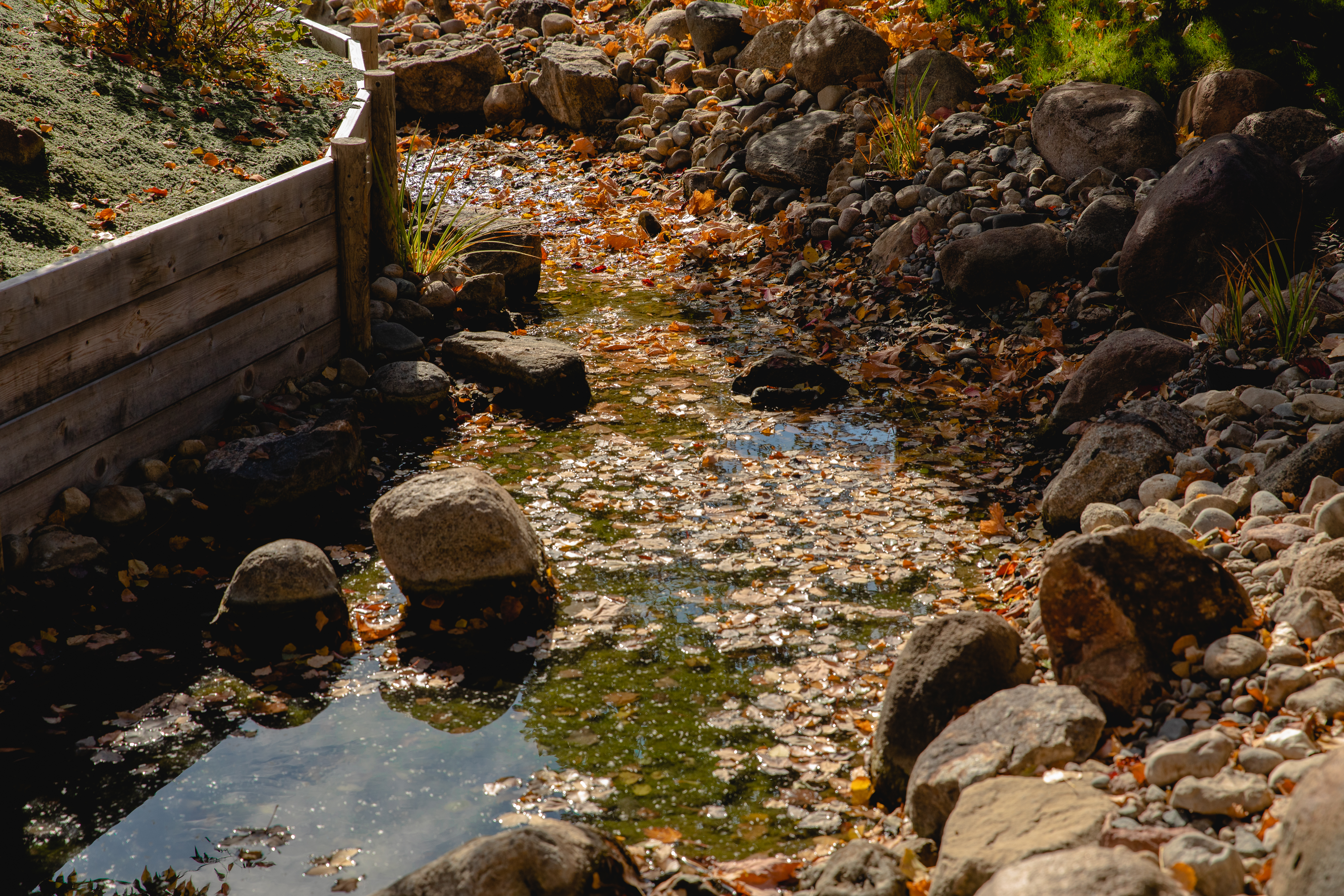
The Stream, accentuated with iris, is lovely to view. A weir catches its flow, thus helping to maintain the water level of the pond.
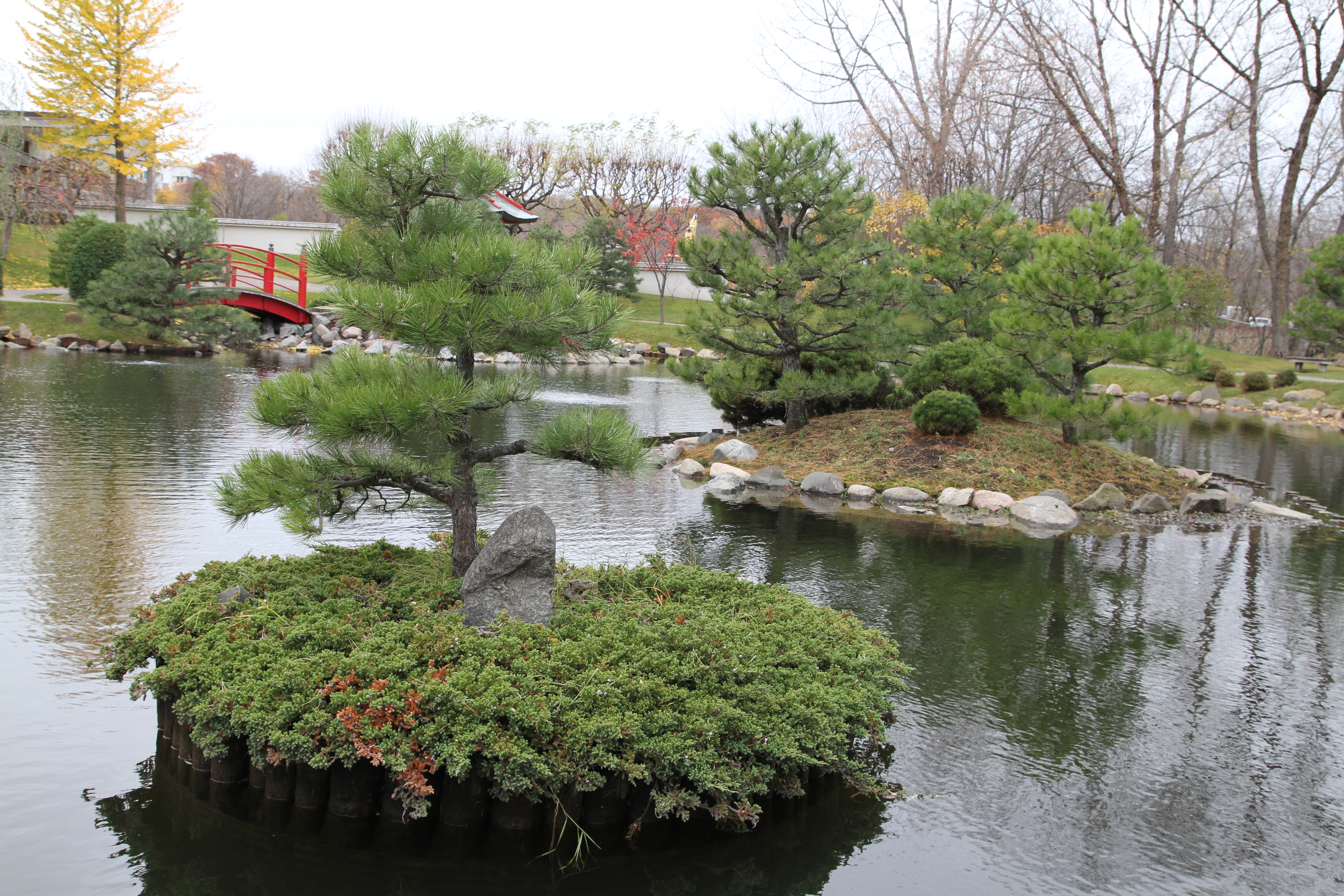
Turtle Island and Crane Island are named because of their shapes. Crane Island, the smaller, and Turtle Island, both signify longevity and good health. In Japan it is said that cranes live a thousand years, a turtle for ten thousand
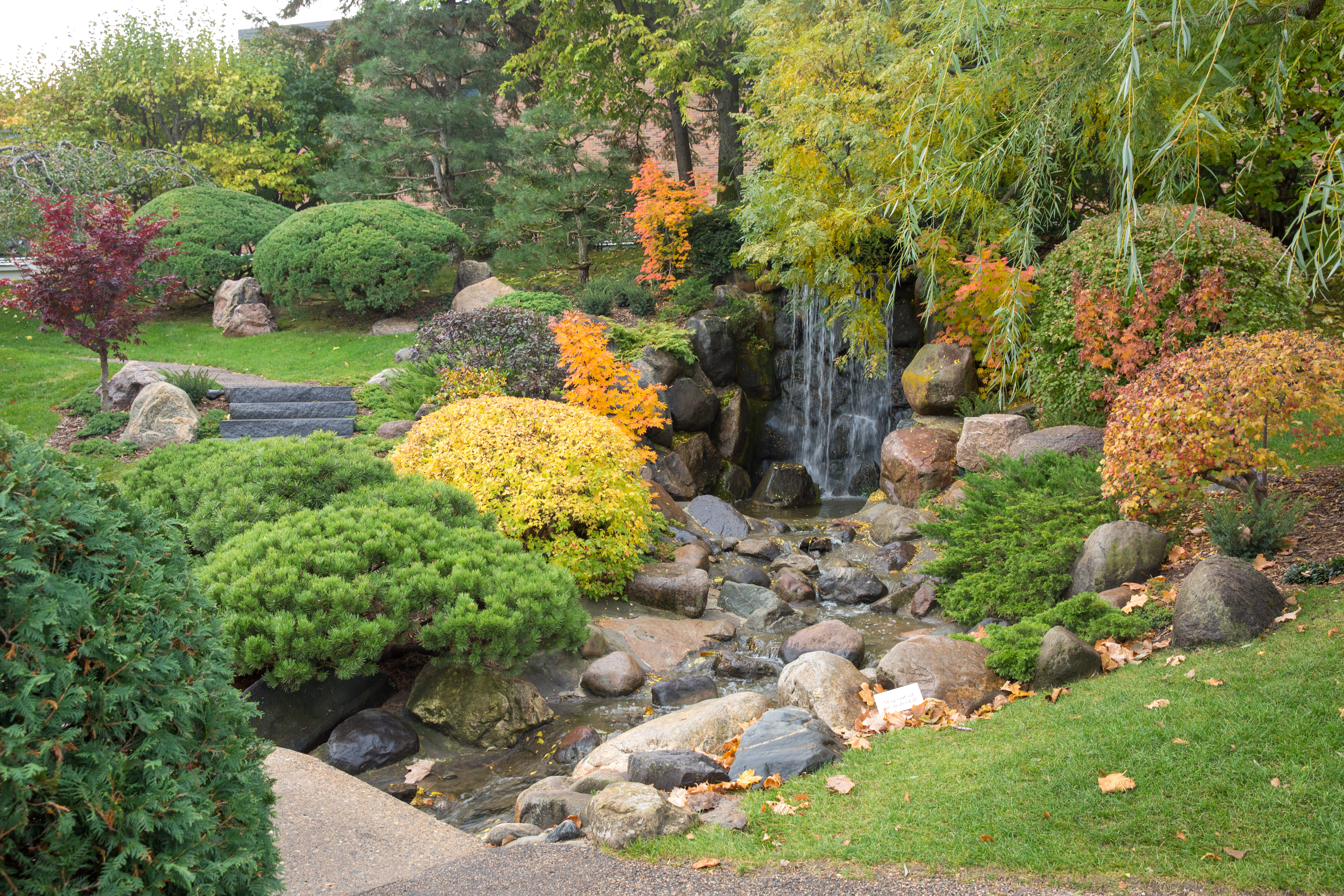
The plant materials demonstrate restraint and simplicity rather than gaiety and showiness. Our plants at the Japanese garden that show this include: Gikgo Tree, Grab apple, Japanese Lilac, Willows and Pines, and our Spring Wonder Tree.
Help preserve this treasured community landmark for future generations.
Please see the broadcast from local station KSTP on everything the Garden has to offer!
Please visit the Japanese Garden 50th Anniversary page for more information on this community-wide event happening on September 19, 2026.
Our Asian American, Native Hawaiian, and Pacific Islander Heritage Celebration at the Japanese Garden was a huge success. Watch some of the highlights:
9700 France Avenue South in Bloomington, Minnesota
Hours: Open spring through fall from sunrise to sunset, including holidays
 top
top

